

Pressure on the sit bones that builds over longer steady rides
Pain point
Saddle pain: pressure, chafing or numbness?
Saddle pain is rarely solved by a saddle swap alone. First work out whether it is pressure, chafing or numbness, then check saddle height, saddle setback, tilt and weight distribution.
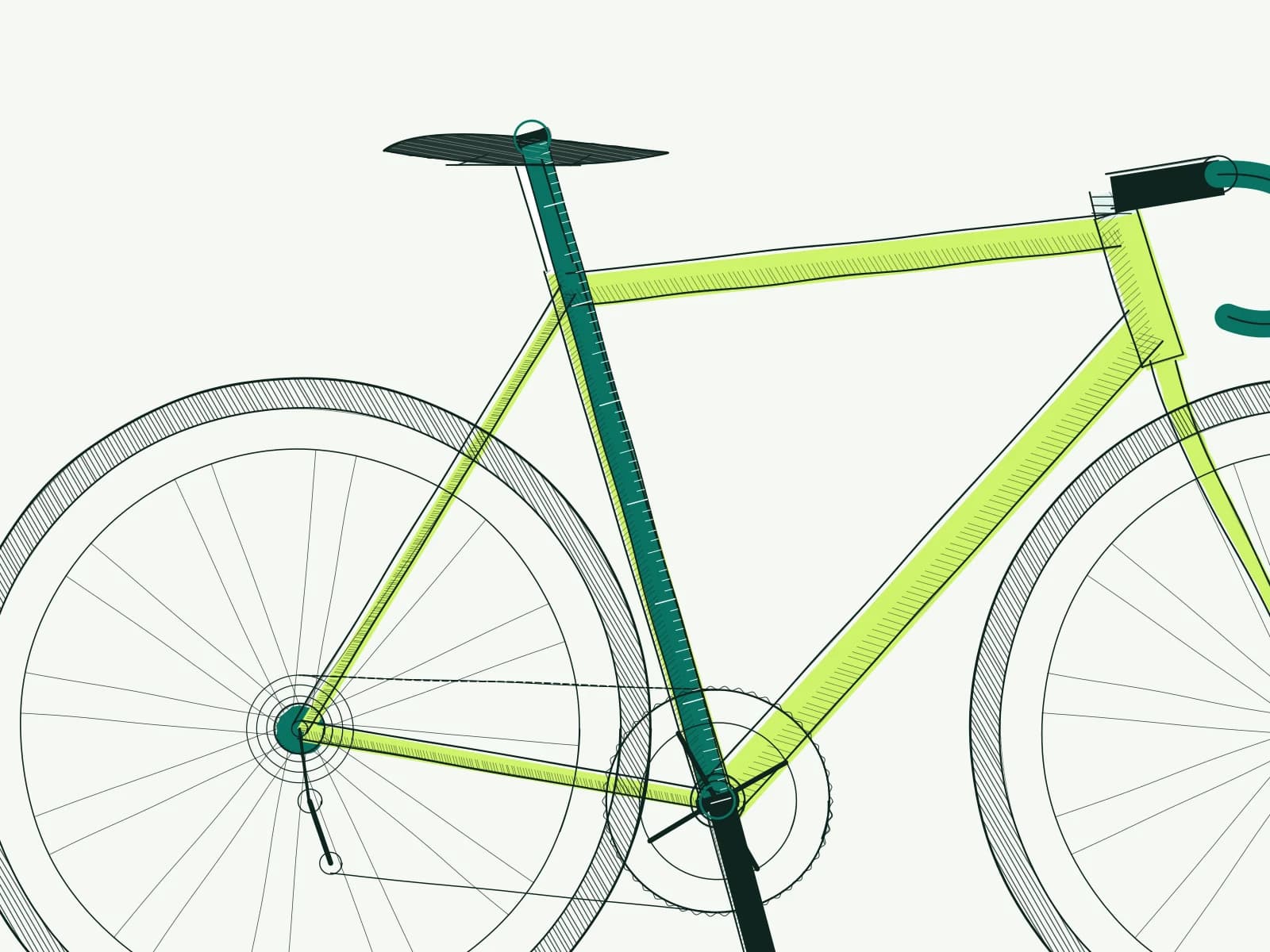
Recognise your saddle pain
Does this feel familiar?
Recognise your saddle pain
Chafing or a sore skin spot along the saddle edge or inner thigh
Numbness or less feeling in the area between your legs
Constantly shifting position or sliding forward
Saddle pain after cycling that stays after you get off
What kind of saddle pain is it?
Where is it?
What kind of saddle pain is it?
Location and timing point to a direction, not a diagnosis. Start with the first check and change one thing at a time.
| Where or when | Possible link with your setup | First check |
|---|---|---|
| Sensitive sit bones | Saddle shape or width does not match your riding posture, so support is limited. | Measure your sit bones and use the saddle width calculator as a comparison point. |
| Chafing along the edge | Moving side to side on the saddle, a seam or fold in your shorts, or damp clothing. | Check saddle height and your shorts for seams and wear. |
| Numbness or pressure at the front | A lot of pressure at the front: tilt, long reach or a deep forward posture. | Stop testing with numbness and have it assessed. Then check tilt and reach. |
| You keep sliding forward | Nose tilted down, or a saddle position that gives little support. | Measure tilt with a spirit level on the same part of the saddle each time. |
The order of checks for saddle pain
What to check first
Adjust with purpose. Not all at once.
Work in small steps and test on the same ride.
The order of checks for saddle pain
- 01
Describe the symptom first: pressure, chafing or numbness, with location and timing. Do not test again while damaged skin is still sore.
- 02
Record your starting position: saddle height, setback and tilt, measured on the same part of the saddle.
- 03
Check saddle height. If it clearly differs from the calculator, compare a step of 2–3 mm.
- 04
Then choose either setback or tilt: a trial of 3 mm or about 1 degree, not both at once.
- 05
Only compare saddle width and shape once height and position are settled. Test two to three easy rides in the same clothing.
FAQ
Does saddle discomfort always mean I need a different saddle?
No. Many saddle problems improve when fit and load distribution are corrected first. Check height and position before you compare width and shape with the calculator.
Should I lower the saddle when it feels unstable?
Sometimes, but only after checking how setback and overall support interact. If you rock side to side, a step of 2–3 mm is a small, reversible comparison.
What helps against chafing and saddle pain after cycling?
Check your shorts for seams, folds and wear, and note whether you move a lot on the saddle. Keep clothing the same while you test fit changes, so you know what made the difference.
What if I have a saddle sore or damaged skin?
That is skin damage first, not an adjustment question. Do not keep riding on it and wait until it has healed. Skin problems that keep returning deserve a medical assessment alongside a fit check.
Related next steps
Related next steps
Turn the checks into your own setup.
Start with a free fit or send your situation in as a case-study candidate.